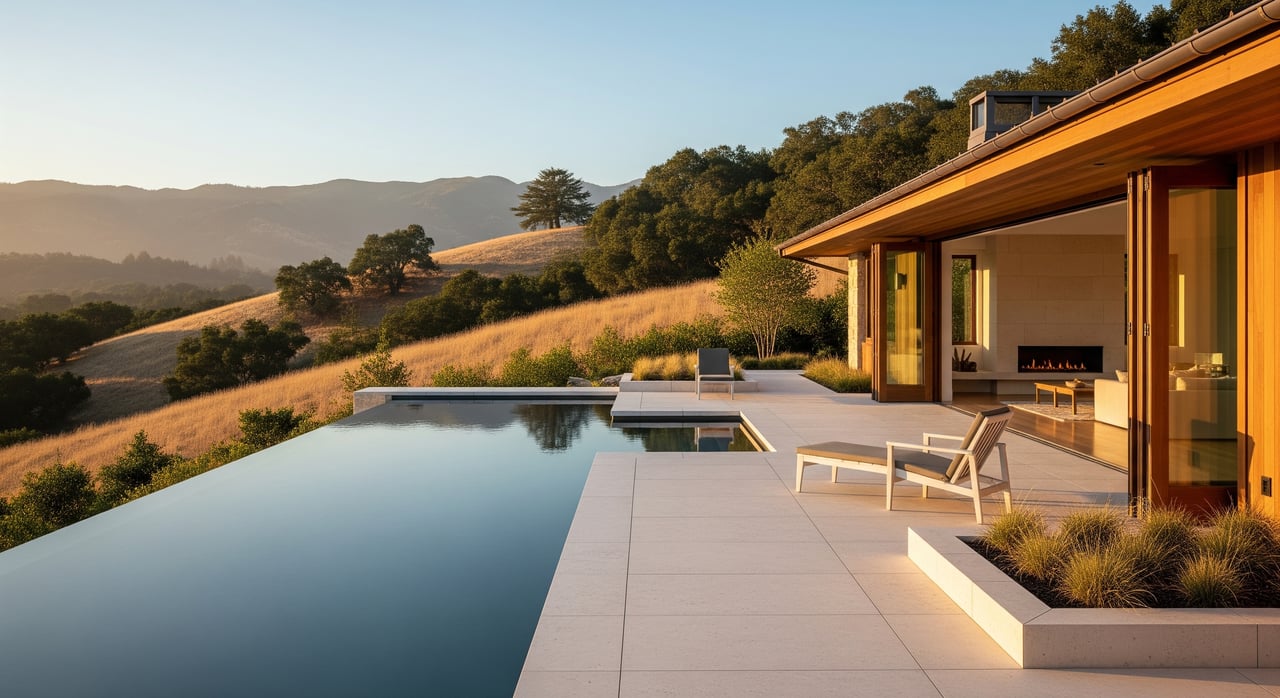
Looking for quiet, oak-studded hills and trailheads minutes from your driveway? If you want space, privacy, and a small-town feel without giving up access to Peninsula job centers, Portola Valley might be on your radar. You may be wondering how daily life actually works here, what tradeoffs to expect, and whether the housing style and commute will fit your routine. This guide walks you through the rhythms, homes, schools, outdoor perks, and practical considerations so you can decide with confidence. Let’s dive in.
Portola Valley at a glance
Portola Valley is a very small town on the Peninsula with under 5,000 residents. The landscape is hilly and wooded, with winding roads, large lots, and panoramic ridge views. You feel a rural-suburban vibe: quiet streets, open space all around, and limited commercial areas. Evenings are calm, and for many errands and dining you drive to nearby towns.
Housing and neighborhoods
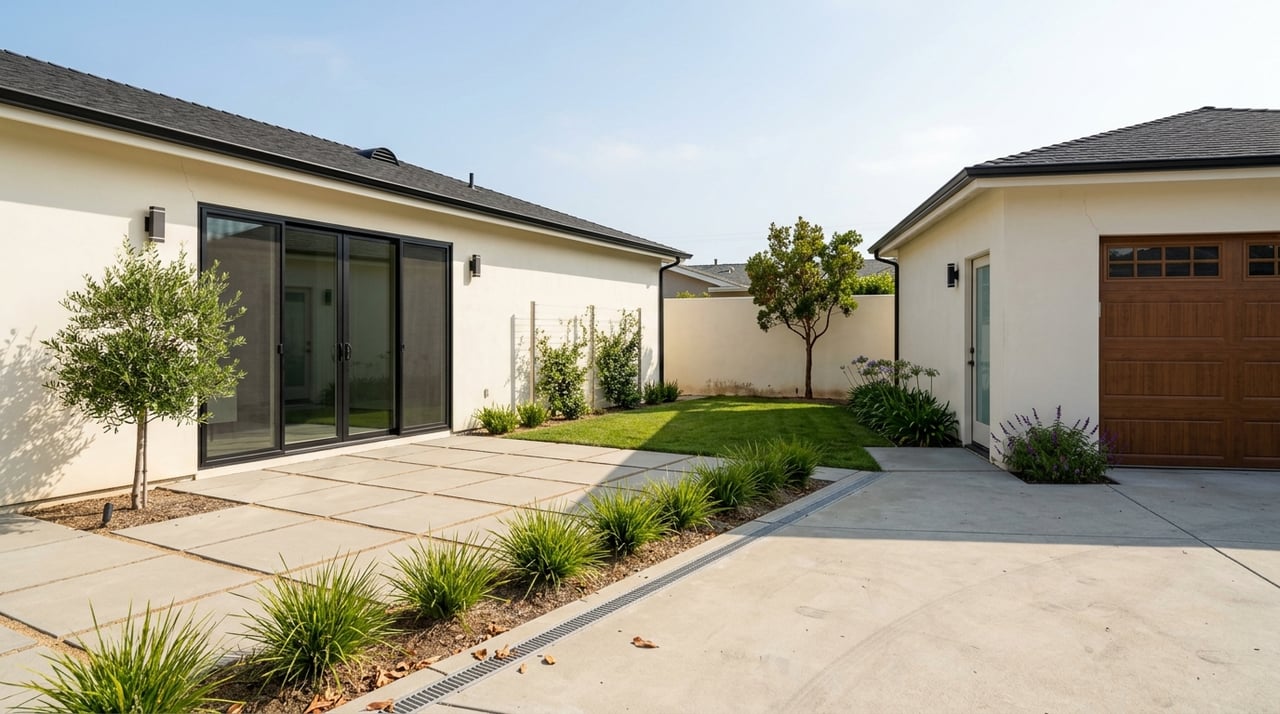
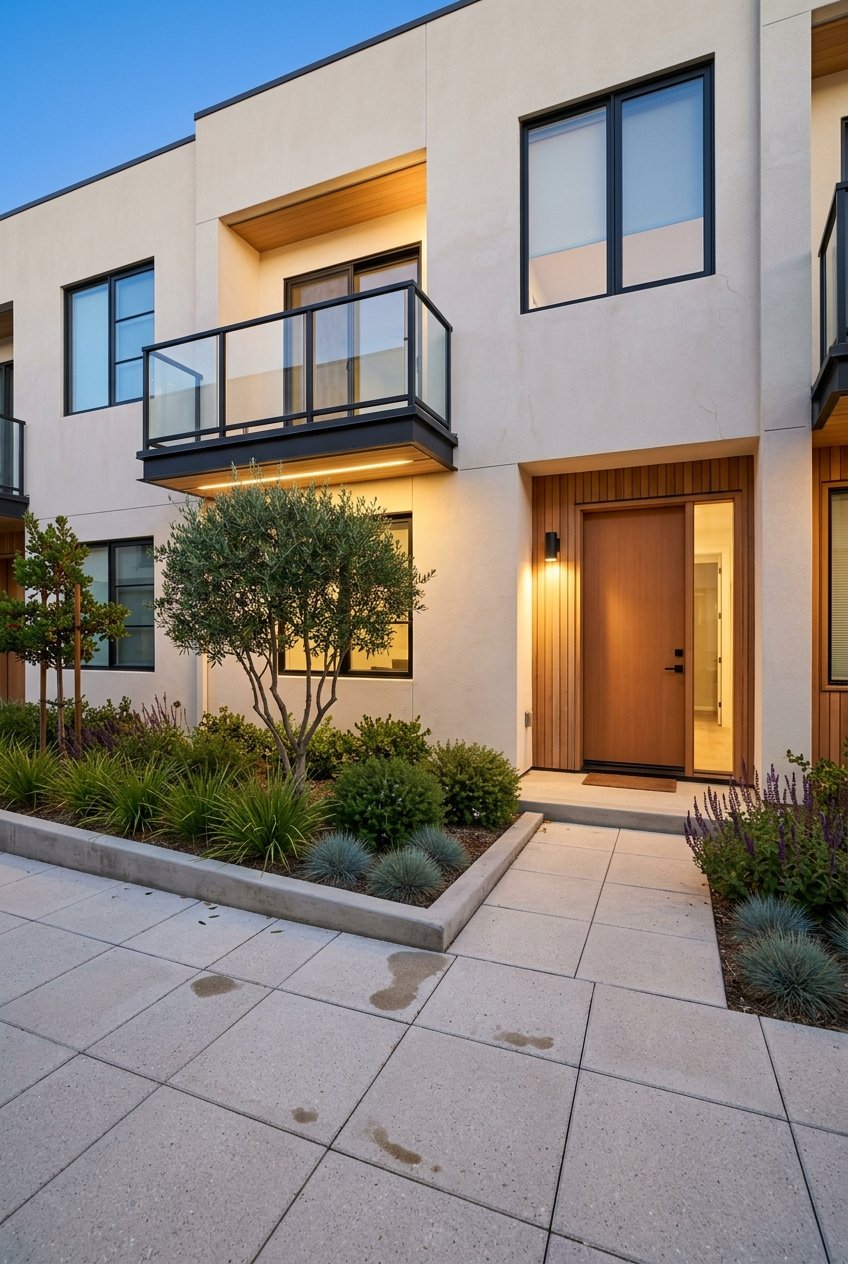
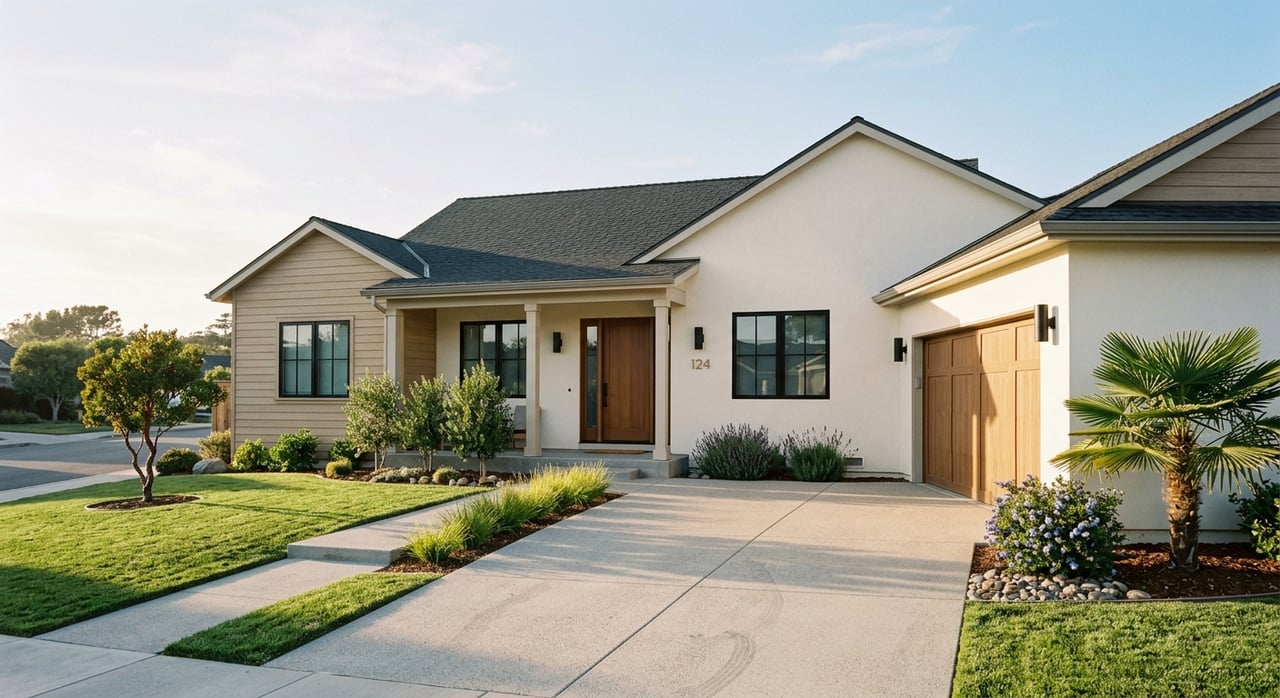
You will mostly find single-family homes on medium to large lots. Many properties are custom estates, Mid-Century or modern architect-designed homes, classic ranch styles, and some with equestrian facilities. Multi-family housing is limited, which helps preserve the town’s low-density character.
Zoning in Portola Valley emphasizes larger lot sizes and careful design review. Landscape and tree protections, along with site-specific controls, help maintain the rural setting. These rules create predictability and a consistent feel across neighborhoods, but they also limit new supply. That supply constraint, combined with strong buyer demand, supports a high-cost, competitive market.
When you tour homes, consider:
- Property setting and privacy. Orientation, lot slope, and views can vary widely.
- Outdoor living potential. Many homes offer terraces, patios, and room for gardens or equestrian uses, depending on zoning and lot size.
- Trail access. Some streets sit near popular trailheads that shape everyday routines.
- Fire-safety features. Building materials, defensible space, and landscaping choices matter in this hillside environment.
Daily life and amenities
Weekday mornings are simple and quiet. Many residents commute by car to jobs across the Peninsula and San Francisco. Families follow school schedules, and mid-days tend to be calm, with people working from home, managing property care, or running quick errands at local service clusters.
Portola Valley has a few cafés, small restaurants, the post office, and community facilities. For full-service groceries, larger retail, and a broader restaurant scene, you typically head to Woodside, Menlo Park, Palo Alto, or Redwood City. Evenings and weekends often center on outdoor recreation, school events, and neighborhood get-togethers, with entertainment options a short drive away in adjacent cities.
Open space and recreation
If you love the outdoors, this is a standout location. Portola Valley connects to a network of protected open spaces managed by groups such as the Midpeninsula Regional Open Space District. Windy Hill is a signature destination for ridge walks and sweeping views. Nearby preserves, including Monte Bello and others, add miles of hiking, mountain-biking, and horseback-riding options.
Common routines include morning trail runs, evening dog walks where allowed, weekend family hikes, and regular rides for equestrians. Trail rules, seasonal closures, and stewardship are part of local life, and you will often find active volunteer groups helping maintain the preserves. The result is a culture that values access to nature and takes care of it.
Schools and family life
Families are drawn to Portola Valley for a combination of space, quiet streets, and well-regarded public schools typical of the Peninsula. The town is served by local elementary and middle school districts, and high school students usually attend campuses in nearby communities. Private schools and other secondary options are available in adjacent cities as well.
Because assignments can vary by exact address and boundaries can change, you should verify current school boundary maps and enrollment policies with the appropriate districts. Many family activities and social ties form through school programs, volunteer groups, and community events, which helps create a close-knit feel.
Transportation and commuting
Portola Valley is car-oriented. Interstate 280 is the main north-south corridor for commuting to San Francisco or Silicon Valley job hubs. Drives to Palo Alto, Menlo Park, Redwood City, Mountain View, and beyond are common. Commute times vary by direction and time of day and can be significant during peak hours.
Public transit inside town is limited. Many commuters drive to nearby Caltrain stations in neighboring cities or use employer shuttles and carpools. Some bike routes are feasible, but the terrain is hilly and roads are often narrow and winding. Most homes include garages and private driveways, and residents pay attention to street-parking rules and safety on curvy roads.
Safety, wildfire, and resilience
Portola Valley typically reports low violent crime relative to regional averages. As in many small, affluent towns, property crimes can occur, and residents stay attentive.
Wildfire readiness is a key topic in hillside communities with seasonal dry conditions. Expect to maintain defensible space, evaluate building materials, and stay current on local fire-safety requirements and evacuation planning. Insurance availability and pricing can be part of the conversation, so it is wise to assess coverage early in your home search. The broader Peninsula is also seismically active, which makes earthquake preparedness, retrofits for older homes, and updated building standards important.
Who thrives in Portola Valley
- Families who want larger yards, quiet streets, and community centered around schools and outdoor activities.
- Tech professionals and executives seeking privacy and proximity to Silicon Valley employers without denser suburban settings.
- Empty-nesters and frequent travelers who prefer a nature-oriented, low-traffic home base.
- Outdoor enthusiasts and equestrians who value direct trail access and protected open space.
Portola Valley is not the best fit if you want walkable access to a wide range of shops and restaurants, robust transit, late-night entertainment, or lower-priced housing options.
Key tradeoffs to expect
- Cost vs. space. You gain acreage, privacy, and views at a premium price; plan for property taxes and ongoing maintenance.
- Quiet vs. convenience. Local services cover basics, but broader shopping and dining typically require short drives to neighboring towns.
- Scenic hills vs. wildfire planning. The wooded landscape is a major draw, and it comes with responsibilities like defensible space and thoughtful landscaping.
- Unique homes vs. resale pool. Large-lot, custom properties can appeal to a narrower buyer set, which may influence time on market.
Is Portola Valley right for you? A quick checklist
Consider Portola Valley if you:
- Want privacy, larger lots, and a calm, rural-suburban setting.
- Plan to use hiking, biking, or equestrian trails several times a week.
- Are comfortable driving for most errands, dining, and transit connections.
- Can budget for higher home prices, property taxes, and hillside maintenance.
- Value schools and community ties built through local events and outdoor activities.
- Are prepared to plan for wildfire readiness and earthquake resilience.
If many of these points match your priorities, Portola Valley deserves a closer look.
Plan your next step with a local guide
Choosing a hillside, open-space community is a strategic decision that benefits from local context, zoning knowledge, and a clear plan for commute, schools, and insurance. If you want a data-informed path to the right home or a top-dollar sale, connect with The Canlas Brothers to schedule your free Home Strategy Consultation. Our team pairs neighborhood-level insight with a responsive process so you can move forward with confidence.
FAQs
What is daily life like in Portola Valley?
- Expect quiet streets, small local service clusters, and frequent trips to nearby towns for shopping and dining, with outdoor recreation anchoring evenings and weekends.
How do public schools work for Portola Valley addresses?
- The town is served by local elementary and middle districts and usually feeds to nearby high schools; verify current boundaries and enrollment with the districts by address.
What are the main commute options from Portola Valley?
- Most residents drive via Interstate 280 to Peninsula or San Francisco jobs, and some use nearby Caltrain stations, employer shuttles, or carpools.
Where do residents shop and dine near Portola Valley?
- Essentials are in town, but broader groceries, retail, and restaurants are in Woodside, Menlo Park, Palo Alto, Redwood City, and other nearby cities.
What should buyers know about wildfire and insurance in Portola Valley?
- The hillside setting brings wildfire risk, so defensible space, appropriate building materials, evacuation plans, and early insurance checks are important.
Is Portola Valley a good choice for horse owners?
- Many properties historically support equestrian uses; what is allowed depends on zoning and lot size, so review municipal rules and any private covenants.