If you are looking for a Peninsula city that feels connected, active, and easy to navigate, San Carlos often stands out quickly. You may want a place with a true downtown, everyday outdoor access, and a residential setting that feels established without feeling overly dense. San Carlos offers that mix in a way that appeals to many Bay Area buyers. Here is what it is like to live there and what you should know as you explore your options.
San Carlos at a glance
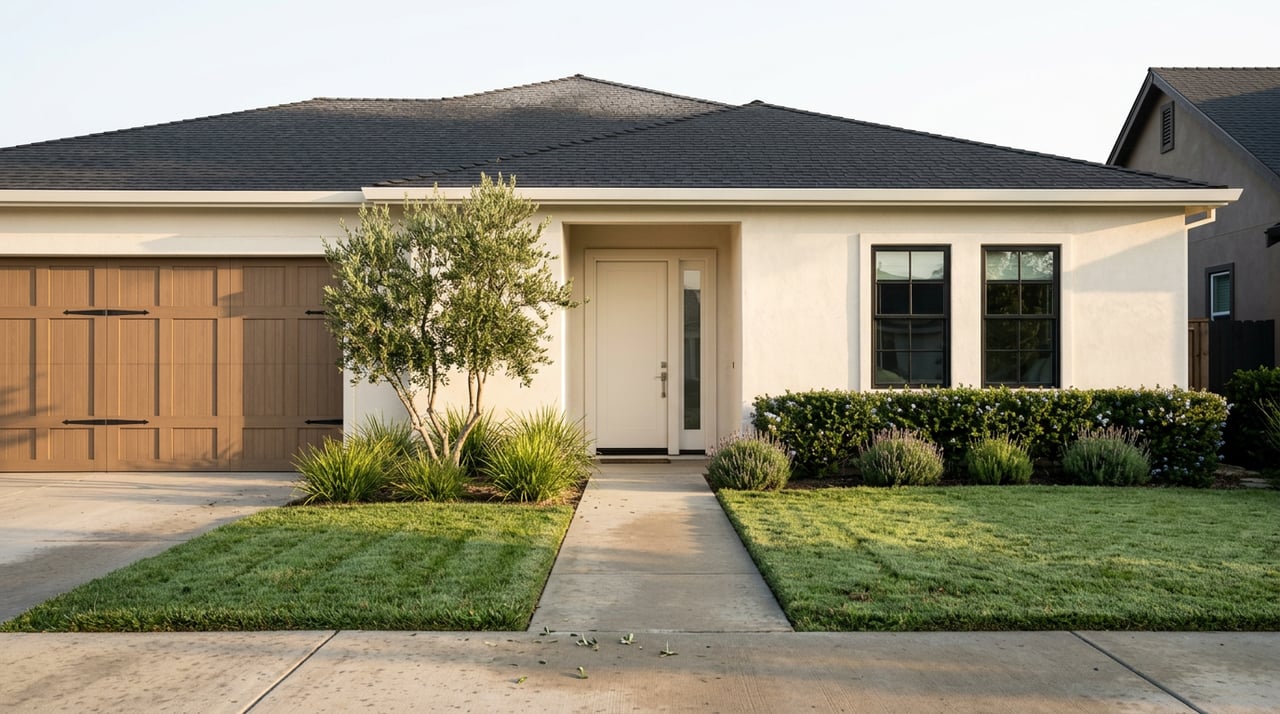
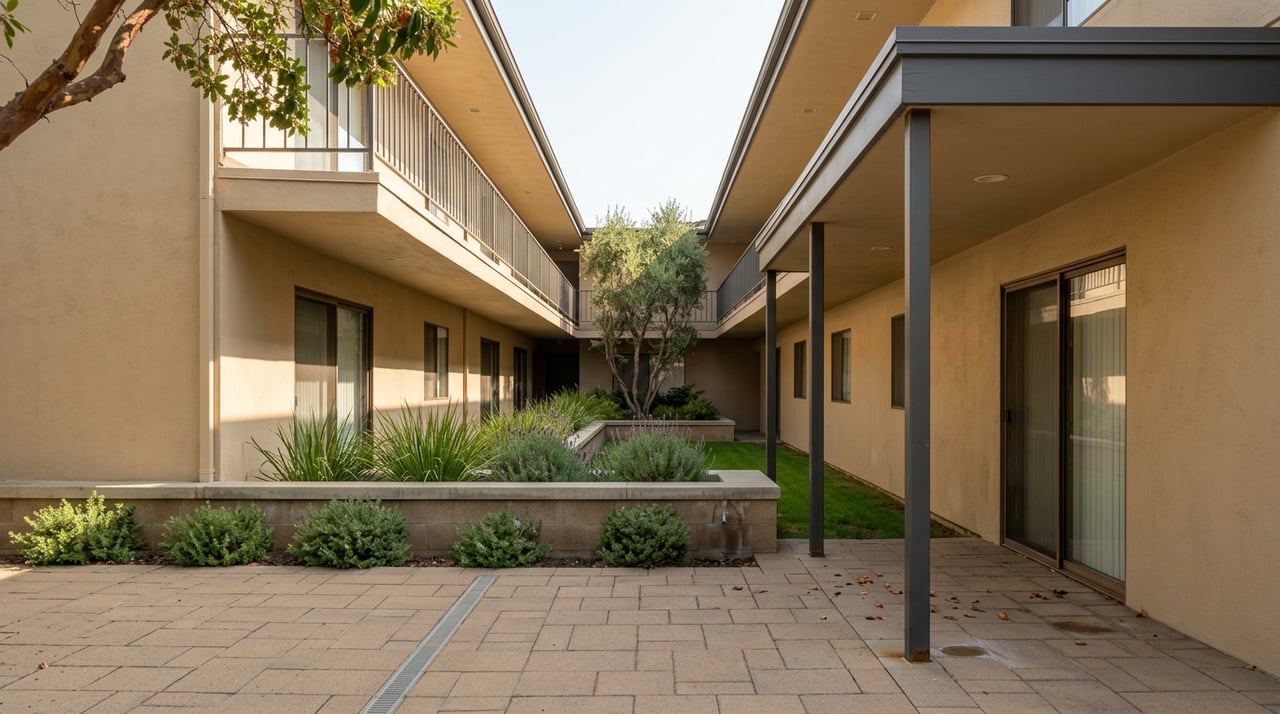
San Carlos has a smaller-city feel that sets it apart from some nearby Peninsula communities. City housing documents describe it as a community that developed largely around single-family homes, and today the housing stock remains about 72% single-family attached and detached homes and 28% multifamily, which helps explain its neighborhood-scale character. The city also highlights attractive residential areas, shopping, restaurants, and open space in its planning materials.
That scale matters in daily life. Compared with larger nearby cities like Redwood City and San Mateo, San Carlos often feels more compact and less urban, while still offering the amenities many buyers want on the Peninsula. If you like the idea of a residential city with local convenience, that is a big part of the draw.
Downtown life on Laurel Street
For many residents, downtown San Carlos is centered on Laurel Street. The city defines downtown as Laurel Street from Holly Street to Arroyo Street, with the historic core focused on the 600 to 800 blocks of Laurel Street and the 1100 to 1200 blocks of San Carlos Avenue. That area is designed to support a pleasant pedestrian experience, with landscaping, amenities, and a centrally located gathering space.
The city recently finalized its Downtown Specific Plan, which is intended to guide change over the next 20 years. The plan emphasizes intentional placemaking, improved pedestrian access, bicycle improvements, transit access, and climate resilience. It also includes a more pedestrian-oriented 700 block of Laurel Street, along with seating, trees, rain gardens, bicycle parking, and drinking fountains.
What that means for you is simple: downtown is meant to be used. It is the kind of place where daily errands, dining out, and community events can happen in the same area, which gives the city a more connected feel.
Events add to the local rhythm
San Carlos has a steady stream of public events that shape everyday life. City materials continue to list the year-round Sunday farmers market on Laurel Street from 9 a.m. to 1 p.m., which gives residents a regular reason to head downtown. Public calendars also include events such as Hometown Days, Pride in the Park, and Day of Service.
The city’s event framework also covers things like festivals, live music, parades, runs, and community gatherings. That helps explain why San Carlos can feel lively without feeling overwhelming. You get activity and public programming, but in a smaller-city setting.
Parks and outdoor access
If outdoor space matters to you, San Carlos offers a strong park network for its size. City planning documents say residents have access to 16 public parks across roughly 135 acres. Those spaces include playgrounds, athletic fields, picnic areas, trails, and open space.
That variety supports different kinds of daily routines. You can find places for organized sports, casual play, walks, and time outdoors without leaving the city. For many buyers, that is a meaningful part of the lifestyle.
Notable parks in San Carlos
A few parks are especially important to the city’s identity:
- Burton Park is described by the city as the oldest and best-known developed park, with fields, courts, and facilities that support active recreation.
- Arguello Park is the city’s largest and most diverse developed park, with a turfed play area, picnic spots, and trail access.
- Big Canyon Park offers a more rustic setting, with a 1.2-mile trail and views.
Together, these parks show the range of outdoor experiences available in San Carlos. Some are more social and activity-focused, while others feel quieter and more natural.
Recreation beyond the parks
The city’s recreation options go beyond green space. Planning documents identify both the Adult Community Center and the Youth Center as important anchors for local activity. The Adult Community Center supports classes and programs, while the Youth Center includes features such as a gymnasium, learning kitchen, and homework center.
That broader recreation setup adds another layer to daily life. San Carlos can feel active and engaged without needing the scale of a larger city. For buyers who want a place with built-in opportunities to participate, that can be a major plus.
A residential feel with established neighborhoods
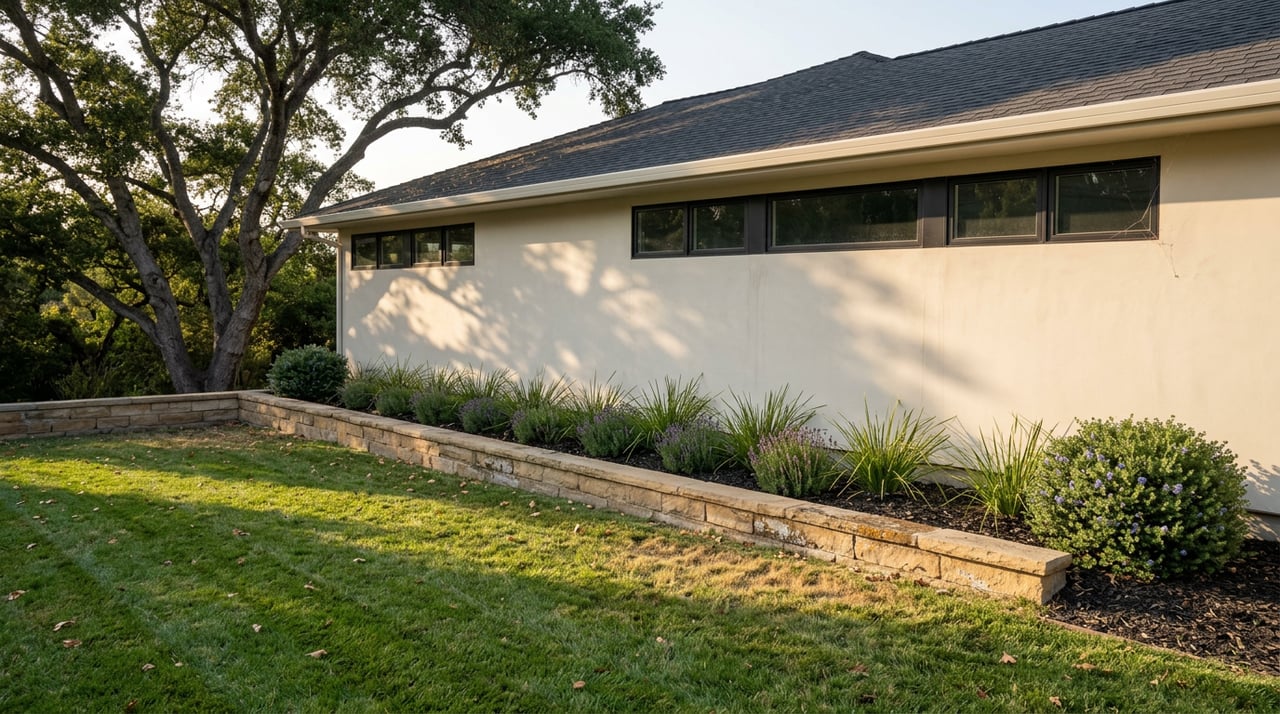
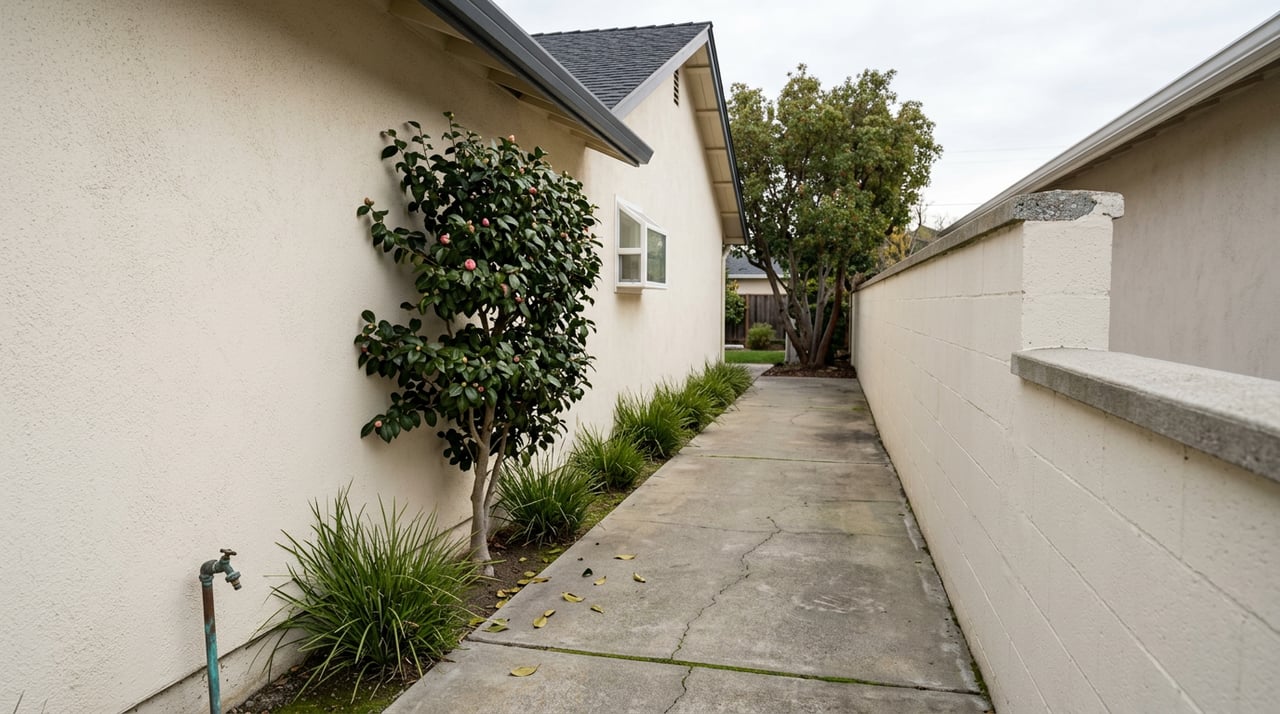
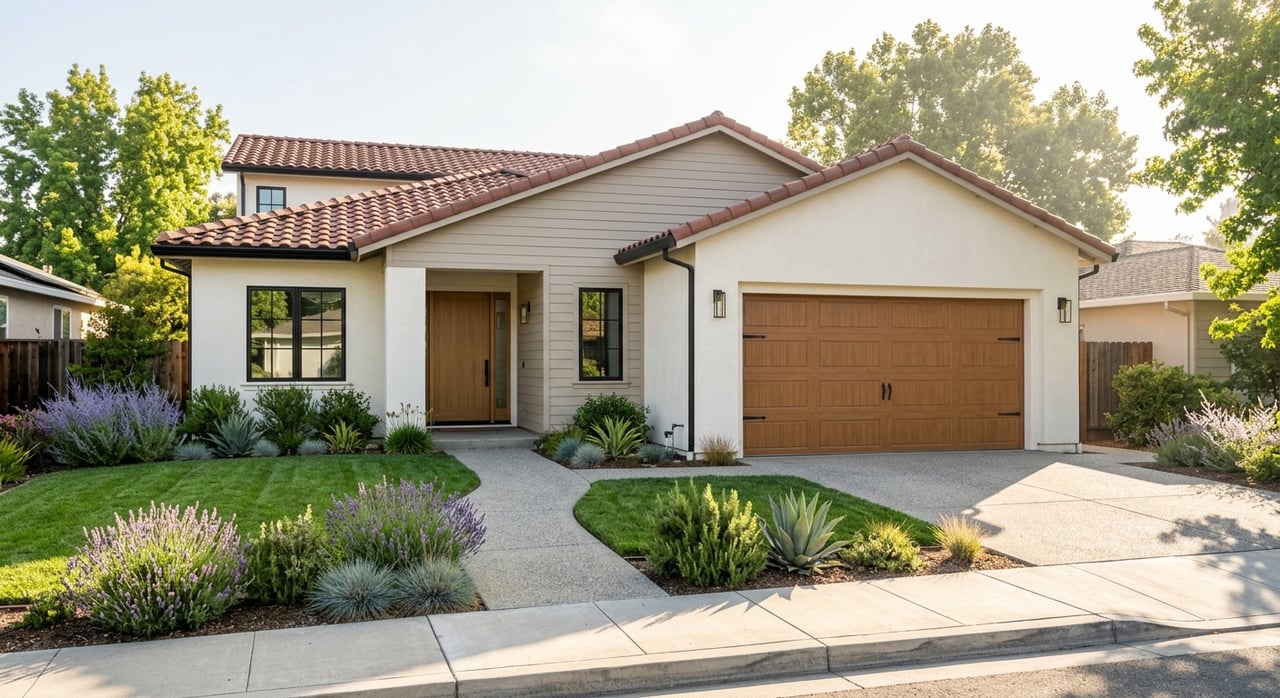
One of the biggest reasons people consider San Carlos is its residential character. Because the city developed largely as a single-family community, many areas feel distinctly neighborhood-oriented. The housing mix still reflects that history today.
For you, that often translates into a more traditional suburban pattern than you may find in denser Peninsula locations. Streetscapes, housing types, and the overall built environment tend to feel more residential than urban. If that is what you are after, San Carlos often checks that box.
Schools and community structure
For buyers thinking long term, the school framework is often part of the conversation. The San Carlos School District lists eight schools on its website, and the broader area is served at the high school level by Sequoia Union High School District schools including Carlmont, Menlo-Atherton, Sequoia, Woodside, and TIDE Academy.
It is best to verify attendance and enrollment details directly with the appropriate district, since boundaries and assignments can change. From a lifestyle standpoint, schools are part of the city’s community structure and daily rhythm, along with parks, recreation spaces, and downtown gathering areas.
Who San Carlos tends to fit best
San Carlos tends to appeal to buyers who want a compact, established residential city with a walkable downtown, regular community events, park access, and commuter convenience. Based on the city’s housing mix, downtown planning, park network, and overall scale, it often feels like a good fit for people who want a balance between local activity and a more neighborhood-focused environment.
That does not mean it is identical for every buyer. Your experience will depend on where in San Carlos you live, what type of home you want, and how important things like downtown access, park proximity, and housing style are to your search. Still, the overall character is pretty consistent: San Carlos feels connected, residential, and easy to enjoy day to day.
What to consider before you move
Before deciding whether San Carlos is right for you, it helps to think through your priorities clearly. Ask yourself:
- Do you want a smaller city rather than a larger urban center?
- Is a walkable downtown important to your lifestyle?
- Would you use parks, trails, and recreation facilities regularly?
- Are you looking for a city with a mostly single-family residential character?
- Do you want a Peninsula location with a strong sense of local community activity?
If you answer yes to most of those questions, San Carlos may deserve a closer look. The key is matching the city’s everyday feel with the way you actually want to live.
If you are thinking about buying or selling in San Carlos, working with a team that understands Bay Area micro-markets can help you compare neighborhoods, evaluate home types, and move with confidence. Connect with The Canlas Brothers to schedule your free Home Strategy Consultation.
FAQs
What is daily life like in San Carlos?
- Daily life in San Carlos often centers around a residential setting, time outdoors, and activity along Laurel Street, with access to parks, recreation spaces, and regular community events.
What is downtown San Carlos known for?
- Downtown San Carlos is known for Laurel Street, a pedestrian-friendly area with shops, restaurants, public gathering spaces, and the year-round Sunday farmers market.
What types of homes are common in San Carlos?
- City housing documents indicate that San Carlos remains largely neighborhood-scale, with about 72% single-family attached and detached housing and about 28% multifamily housing.
What parks can residents use in San Carlos?
- Residents have access to 16 public parks across roughly 135 acres, including Burton Park, Arguello Park, and Big Canyon Park.
What school districts serve San Carlos?
- The San Carlos School District serves local K-8 students, and the Sequoia Union High School District serves the broader area at the high school level.
Who is San Carlos a good fit for?
- San Carlos often suits buyers who want a compact Peninsula city with an established residential feel, a walkable downtown, park access, and a steady calendar of community events.