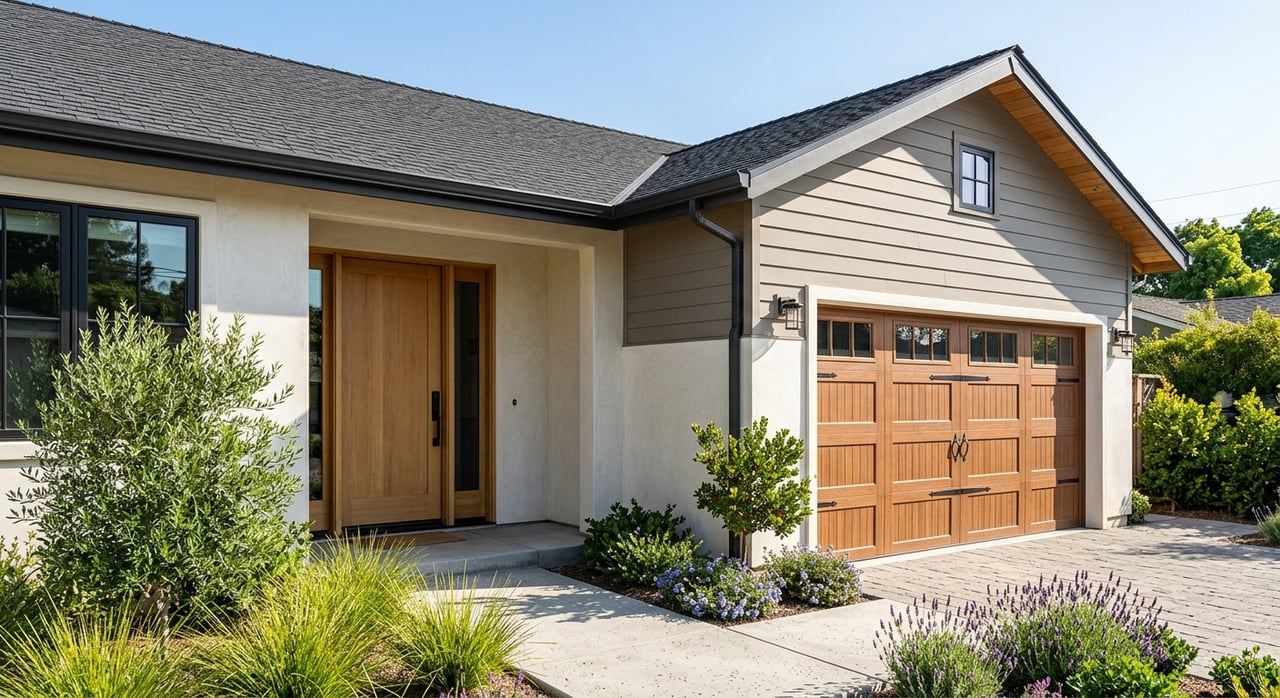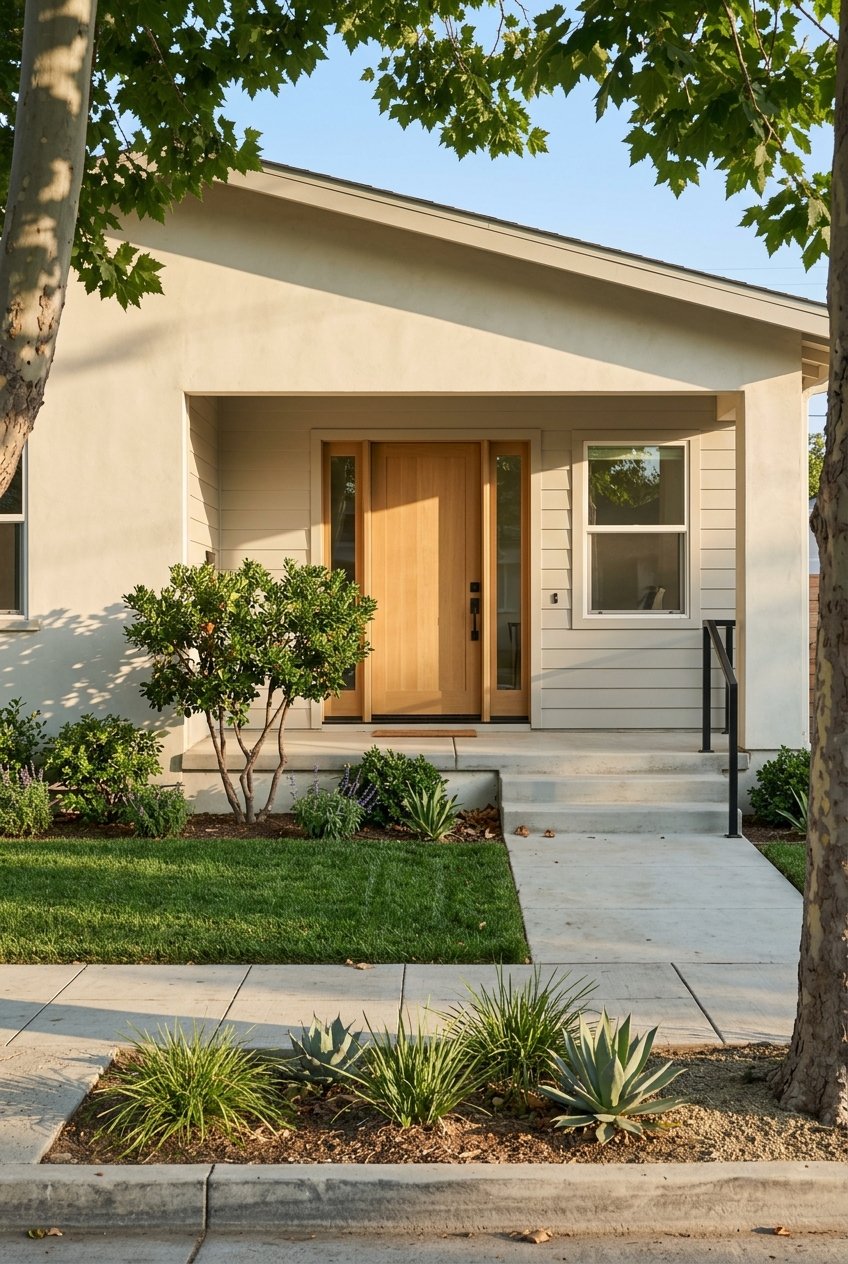
Buying your first home on the Peninsula can feel out of reach, but the right condo or townhome in San Mateo can unlock the door faster than you think. As of Jan 2026, San Mateo’s median sale price was about $1.45M, and attached homes often offer a more attainable entry point than single-family houses. In this guide, you’ll learn where to look, how HOAs work, what to review in the documents, and how to structure a strong, safe offer. Let’s dive in.
Why condos and townhomes in San Mateo
San Mateo County shows a clear price gap between condos or townhomes and single-family homes. One to two bedroom condos often price in the several-hundred-thousand range, while many two to three bedroom townhomes approach the low to mid seven figures depending on neighborhood and building type. Inventory for attached homes is also more accessible in areas like Downtown, Hillsdale, and Bay Meadows.
The takeaway for first-time buyers: condos and townhomes can deliver location, amenities, and a manageable price, with HOA fees that cover key building costs. Always confirm up-to-date pricing and inventory before you write an offer because numbers can shift month to month.
Where to look in San Mateo
Bay Meadows
Bay Meadows features modern townhomes and mid-rise communities with walkable retail, parks, and Caltrain access. Expect multi-level townhomes with attached garages and small private outdoor spaces, plus newer building systems that can reduce near-term maintenance surprises.
Hillsdale and the Caltrain node
Around Hillsdale, you’ll find a mix of mid-rise condos and townhouse-style homes. It is popular with buyers who value nearby shopping and transit. Many buildings here balance moderate HOA fees with useful amenities like secure parking and fitness rooms.
Downtown San Mateo and Westshore
Downtown and Westshore offer a blend of older walk-up condos and newer infill buildings. You’ll see a wide range of HOA fees and amenity packages. Some older properties can carry larger common-area needs, while newer buildings may have higher HOA fees that include more services.
How HOAs work in California
Most condos and many townhome communities in California are governed by the Davis–Stirling Common Interest Development Act, which outlines owner and association responsibilities, budgets, meetings, and financial transparency. If you want a plain-English primer, review the Davis–Stirling overview.
Your disclosure rights
Before you close, the seller must deliver a standardized HOA disclosure package that includes governing documents, budgets, reserve information, insurance summaries, assessments, and details on any violations. This requirement appears in California Civil Code §4525. Ask for the full packet as early as possible and review it carefully. You can read the statute outline of required documents in Civil Code §4525.
HOAs must respond to document requests within a reasonable time and may charge an itemized fee. Many management companies follow a roughly 10 business day timeline to assemble resale documents once they get a written request. To avoid delays, have your agent or escrow request the packet immediately after you go under contract. See a practical overview of HOA timing and fees in this board member guide.
What to review in the HOA packet
Use this checklist to spot red flags and confirm the building fits your needs.
- Resale or estoppel certificate
- What it is: A summary showing the seller’s account status, any amounts due, and association-level items such as pending special assessments or litigation.
- Why it matters: It can reveal immediate costs at closing and building-level risks like large imminent assessments. Learn what appears in a typical certificate in this resale certificate explainer.
- Governing documents: CC&Rs, Bylaws, Articles, Rules
- What to check: Rental limits, short-term rental rules, pet policies, architectural restrictions, and enforcement procedures.
- Why it matters: These rules shape your day-to-day use rights and any future rental strategy. The list of required documents appears in Civil Code §4525.
- Annual budget, reserve funding disclosure, and reserve study
- What to check: Planned capital projects, reserve funding levels, and how major items will be paid for.
- Red flags: Low reserve balances, frequent special assessments, or notes about deferred maintenance. See California’s reserve disclosure framework here: reserve funding disclosure law.
- Recent financial statements and audits or reviews
- What to check: Operating deficits, large unpaid payables, and owner assessment delinquencies.
- Red flags: Negative operating results and high delinquency rates that signal future fee increases or assessments. Reference the same reserve funding disclosure law for context on transparency.
- Board meeting minutes from the last 6 to 12 months
- What to check: Discussion of upcoming projects, assessment plans, and any disputes or litigation.
- Red flags: Repeated emergency repairs, unresolved building issues, or talk of large special assessments without clear funding. The reserve disclosure guidance above also reminds owners to look for maintenance planning.
- Insurance summary and master policy declarations
- What to check: Policy types, coverage limits, deductibles, and exclusions like flood or earthquake.
- Action item: Price an HO‑6 policy to cover your interior and belongings, and confirm where the HOA’s master policy stops. You can read a practical overview of master vs. HO‑6 coverage in this condo insurance guide.
- Inspection reports and any litigation documents
- What to check: Engineer, roof, elevator, or façade reports plus any construction defect suits.
- Red flags: Active construction-defect litigation or major system concerns without a funding plan. See California’s reserve funding disclosure law for the kinds of repairs reserves are meant to cover.
HOA fees and what they cover
HOA fees vary widely in San Mateo. Some townhome-style communities run under $400 per month. Many condo buildings fall in the $400 to $900 range. High-amenity or luxury properties can exceed $1,000 monthly. The number itself is not good or bad by default. Weigh the fee against what it includes and the building’s long-term health.
Common inclusions:
- Master insurance for the building and common areas
- Exterior maintenance and reserves for big items like roofs and elevators
- Utilities such as water, trash, or sometimes gas or hot water
- Amenities like pool, gym, security, and common-area upkeep
Tip: A modest fee with weak reserves can be riskier than a higher fee that funds capital needs. Always read the reserve study and budget, and compare them to the building’s age and systems.
Financing differences for condos and townhomes
Condo financing depends on the project’s eligibility with your lender. Some loans require the building to be “warrantable,” meaning it meets criteria related to owner occupancy, commercial space, reserves, and litigation. Ask your lender early whether the project is agency eligible and what documentation they need. Here is a concise overview of condo warrantability and project approval.
Appraisals can also affect your plan. Your loan amount is based on the appraised value, not the contract price. If an appraisal comes in low, you can try to renegotiate, bring extra cash to cover the gap, or use appraisal-gap language that caps how much you will bridge. Unless you have clear cash reserves and risk tolerance, keep your appraisal contingency.
Key contingencies in a California offer
The California Residential Purchase Agreement commonly starts with standard timelines that are often negotiated in competitive markets. Many buyers shorten certain windows, but you should do so only if your lender and inspector can meet them. If you want to see how timelines and contingencies appear in the form, review this example of the California RPA.
- Inspection contingency: Keep enough time to schedule a general inspection and any specialty checks relevant to the building. Use any pre-listing reports to focus your review.
- HOA document review contingency: In California, the seller must provide the HOA packet listed in Civil Code §4525. Your contract should give you the right to review and cancel if material issues appear.
- Financing and appraisal: Coordinate with your lender on underwriting timelines and confirm whether the condo is warrantable early.
- Title and other protections: Keep standard protections for clear title and any sale-of-current-home needs if applicable.
Offer-strengthening tactics without losing protections
You can write a competitive offer and still protect yourself. Here is how.
- Get preapproved, not just prequalified. A full documentation preapproval or conditional underwriting review shows sellers you are ready to close. The CFPB explains the difference in this preapproval guide.
- Shorten windows thoughtfully. Ask your lender for a realistic underwriting timeline and set an inspection window that your inspector can meet. Shortening is common in competitive settings, but do it carefully and confirm your team can deliver. See timing context in the California RPA.
- Use appraisal-gap language rather than a full waiver. This can cap your cash exposure while signaling strength.
- Increase earnest money and offer flexible terms. A higher deposit, a seller-preferred close date, or a short rent-back can stand out. Learn what happens to deposits in this earnest money explainer.
- Cash or “as-if-cash” only when you truly have funds. Cash removes lender and appraisal risk, but you still need inspections and full HOA due diligence.
A simple first-time buyer timeline
Follow this step-by-step checklist to stay on track.
- Pre-search
- Get a strong preapproval. Ask if your lender offers conditional or pre-underwriting to tighten timelines. See the CFPB’s preapproval vs. prequalification guide.
- When you spot a promising unit
- Ask your lender to check whether the condo or townhome project is lender friendly and agency eligible. Review this condo project approval overview for what lenders evaluate.
- Once under contract
- Request the HOA resale or estoppel packet immediately to avoid delays. California outlines contents and delivery in Civil Code §4525. Many associations need several business days to assemble documents, as summarized in this HOA timing guide.
- During your contingency period
- Order inspections and review the HOA minutes, budget, reserve study, insurance summary, and estoppel right away. Use this reserve funding checklist for context on reserves.
- Appraisal and financing
- Keep your appraisal contingency unless you have planned funds to cover a shortfall. Consider appraisal-gap language to cap your exposure.
- Final steps
- Confirm insurance coverage and price your HO‑6 policy against the HOA’s master policy using this condo insurance guide. Schedule your final walk-through and confirm any HOA approvals needed for parking or storage transfers.
Final thoughts
San Mateo’s condo and townhome market gives first-time buyers a practical way to step into homeownership without leaving the Peninsula. Focus on the building’s financial health, understand your HOA coverage, and protect yourself with smart contingencies. With the right prep and structure, you can write a compelling offer and close with confidence.
If you want a tailored plan based on today’s inventory, connect with our team. We’ll help you line up financing, target the right buildings, and review HOA documents step by step. Schedule your free Home Strategy Consultation with The Canlas Brothers.
FAQs
What should a first-time buyer look for in a San Mateo condo HOA packet?
- Review the resale certificate, budget, reserve study, financials, recent minutes, insurance summary, and any inspection or litigation reports. Look for strong reserves, clear maintenance planning, and no pending special assessments.
How long do HOAs take to deliver resale documents in California?
- Many management companies target about 10 business days after receiving a written request, and they may charge an itemized fee. Ask your agent or escrow to request documents immediately after going under contract.
What does “warrantable” mean for a condo loan?
- It means the building meets lender criteria on items like owner occupancy, reserves, commercial space, and litigation. If a project is not warrantable, you may need a different loan product or a larger down payment.
How do HOA fees affect affordability for first-time buyers?
- Lenders count HOA dues in your monthly debt-to-income ratio. A higher fee can reduce your maximum purchase price, but a higher fee may also cover more utilities or stronger reserves, which can lower surprise costs later.
Should I waive my appraisal contingency to win a condo in San Mateo?
- Waive only if you fully understand the cash risk. A safer middle ground is appraisal-gap language that caps how much cash you will bring if the appraisal comes in below the price.
What contingencies should a first-time buyer keep in a condo purchase?
- Keep inspection and HOA document review rights, plus financing and appraisal unless you have a clear cash plan. Shorten timelines only if your lender and inspector can meet them reliably.