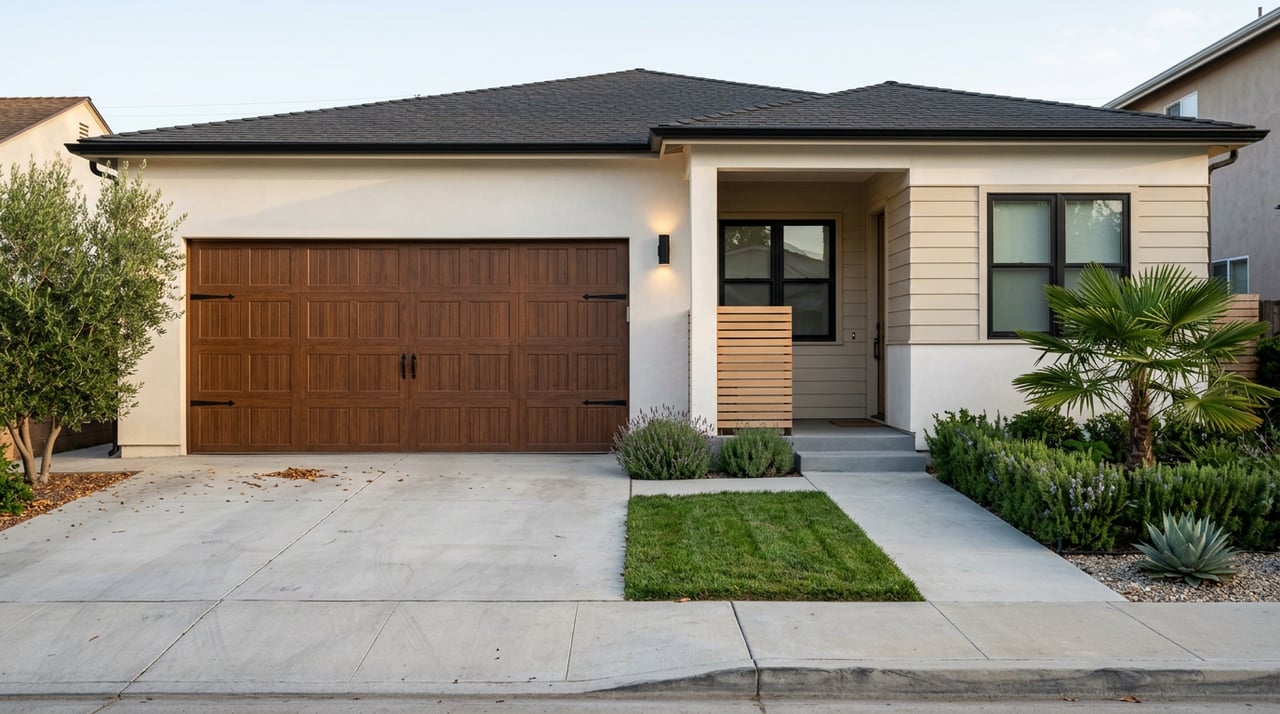
Trying to make sense of San Mateo’s neighborhoods and home styles? From leafy streets with period‑revival homes to bayfront condos with resort‑style amenities, the city packs a lot into a small footprint. You want the right fit for your lifestyle, commute, and budget without wasting weekends on the wrong tours. This guide gives you a clear map: where home types and price tiers tend to cluster, how to read local style cues, and a simple way to build a smart shortlist. Let’s dive in.
How San Mateo defines neighborhoods
Neighborhood borders can vary by source, so start with the city’s planning and community‑input maps. These documents outline commonly used names like San Mateo Park, Baywood, Aragon, Downtown, North Central, Hayward Park, Hillsdale, Bay Meadows, Mariners Island, Edgewater Isle, Bridgepointe, Los Prados, and more. You can review the city’s neighborhood references in the Draft Map 2 analysis and community inputs for an at‑a‑glance framework.
- See the city’s planning map context in the Draft Map 2 report: City of San Mateo neighborhood references
- For HOA‑governed areas and micro‑neighborhoods, check the City HOA listings
West side: San Mateo Park, Baywood, Aragon
If you picture tree‑lined streets, large lots, and architectural character, you are thinking of the west side near the Burlingame and Hillsborough borders. These areas developed mostly from the late 1800s through the 1930s and include many architecturally intact blocks. Expect period‑revival homes and larger parcels relative to the city average.
- Common styles: Tudor Revival, Spanish Colonial Revival, and Craftsman details. For background on the city’s historic fabric, explore the local preservation overview from the San Mateo Heritage Alliance.
- Lifestyle notes: tree canopy, curving streets, and proximity to parks and downtown. Buyers often check school assignments through the San Mateo–Foster City School District locator.
- Market signal: among San Mateo’s priciest single‑family neighborhoods. Historic‑district interest in places like Baywood can shape renovation rules, so plan ahead if you are considering major exterior work.
Downtown and North Central
This is the walkable heart near Central Park, a lively restaurant scene, and the San Mateo Caltrain station. Housing is a mix of small‑lot single‑family homes on the edges, vintage bungalows, mid‑rise condos, and walk‑up apartments. If you want an urban lifestyle with short walks to dining and transit, put Downtown and North Central on your list.
- Home types: downtown mid‑rise condos and mixed‑use buildings provide many of the city’s condo options, often with smaller floor plans and efficient layouts.
- Lifestyle notes: strong walkability, quick Caltrain access, and a compact neighborhood feel compared with the west side.
- Budget lens: condo‑heavy inventory here can price below citywide single‑family medians. Always verify current neighborhood medians with live market data before touring.
Hillsdale and Bay Meadows
Centered around Hillsdale Shopping Center and the Hillsdale Caltrain station, this area combines classic post‑war homes with newer infill and a large master‑planned district. Bay Meadows, built on the former racetrack site, is a transit‑oriented neighborhood with modern townhomes and stacked flats, pocket retail, and parks.
- Bay Meadows overview: a planned, mixed‑use community with design guidelines that prioritize walkability, green space, and transit access. For a clear picture of what was built and how it functions, review the city’s Bay Meadows Phase II design guidelines.
- Home types: post‑war single‑family homes in Hillsdale, plus newer townhomes and condos close to transit. Interiors tend to be more contemporary in the newer stock.
- Budget lens: single‑family homes in the broader Hillsdale area often trade in a mid‑to‑upper band for San Mateo. Confirm current comps and trends before you set a final target price.
Shoreline and planned bayfront communities
Along the bay you will find Mariners Island, Edgewater Isle, Bridgepointe, Los Prados, and similar planned communities. Much of the housing here was developed from the 1970s through the 1990s, often with HOAs and shared amenities. Buyers weigh water access, views, and paths along the shoreline against smaller private yards.
- Home types: waterfront condos, low‑rise and mid‑rise buildings, and HOA‑managed townhomes. Some communities include amenities like pools or marina access.
- Practical checks: confirm HOA covenants, dues, and rules using the City HOA listings. Review shoreline exposure carefully. Start with the city’s FEMA flood map information and discuss insurance needs with your lender and agent.
- Lifestyle notes: easy access to Bridgepointe and Hillsdale retail, bayside parks, and boardwalk‑style paths.
South and interior neighborhoods
Beresford Park, Sunnybrae, Foothill Terrace, College Heights, and nearby pockets offer practical post‑war layouts with a range of lot sizes. You will see ranch homes, modest two‑stories, duplexes, and small apartment blocks. Many buyers short‑list these areas for overall value, family amenities, and access to Highway 92 and Caltrain.
- Home types: 1940s to 1960s ranches that are good candidates for renovations or additions.
- Lifestyle notes: neighborhood parks, community centers, and straightforward commutes to Peninsula employers.
- Budget lens: more approachable entry points relative to the west side, with variation block by block.
Common housing styles in San Mateo
San Mateo’s architectural mix tells the story of how the city grew. These quick visual cues help you spot styles as you tour.
Period revival homes (1920s–1930s)
- Where to look: San Mateo Park, Baywood, Aragon.
- Visual cues: Tudor Revival with steep gables and half‑timbering; Spanish Colonial Revival with smooth stucco, arched entries, and red tile roofs; Craftsman details like broad eaves and tapered columns. See the local preservation overview from the San Mateo Heritage Alliance for context.
Early fabric and pre‑war homes
- Where to look: older pockets near the historic core.
- Visual cues: Victorian and early 20th‑century elements, often documented in the city’s historic survey. For background, view the Historic Building Survey.
Mid‑century ranches (1940s–1960s)
- Where to look: parts of Hillsdale, Foothill Terrace, and interior tracts.
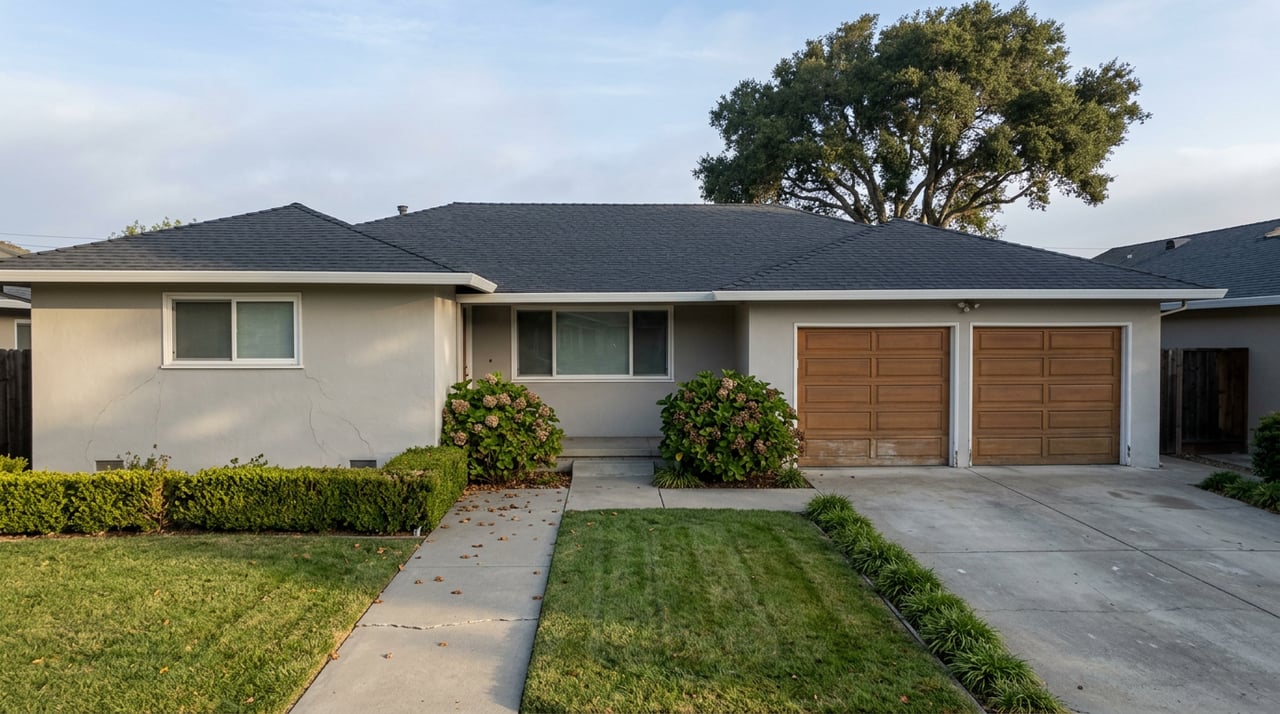
- Visual cues: single‑level or split‑level layouts, wide rooflines, attached garages, and larger picture windows. Many are solid candidates for modernizing kitchens, baths, and systems.
Bayfront planned communities (1970s–1990s)
- Where to look: Mariners Island, Edgewater Isle, Bridgepointe, Westshore.
- Visual cues: HOA townhomes and garden‑style or mid‑rise condos, often with water‑adjacent landscaping and shared amenities. Budget for monthly dues and review HOA rules in detail.
Modern infill and TOD living (2000s–present)
- Where to look: Bay Meadows and newer infill near Hillsdale.
- Visual cues: contemporary townhomes and stacked flats with open plans, energy‑efficient systems, and low‑maintenance finishes. Parks and plazas are part of the neighborhood fabric. For a planning overview, reference the Bay Meadows design guidelines.
What prices signal in San Mateo
For long‑run context, the U.S. Census Bureau reports a 2020–2024 estimated median value of owner‑occupied housing units of about $1.62 million in San Mateo, with an owner‑occupied rate near 49.9 percent. You can view the city’s QuickFacts profile on census.gov. Short‑term sale prices move with the market and vary widely by neighborhood and property type. Condo‑heavy areas may show lower medians than single‑family areas at any given time. Always pair this long‑run context with current, neighborhood‑level comps before writing an offer.
Build your 3–5 neighborhood shortlist
Use this quick, repeatable plan to narrow your options.
1) Define non‑negotiables
- Commute mode and time window
- Minimum bedrooms and baths
- Lot or outdoor space needs
- School priorities or specific programs. Confirm assignments with the district school locator.
2) Set a working budget band
- Condos and entry townhomes: many downtown and some bayfront options can list below $1 million depending on unit size and timing.
- Mid band: central single‑family homes and larger townhomes often cluster around the city’s midrange. Expect variation based on condition, lot size, and block.
- Premium: west‑side historic neighborhoods and remodeled larger homes commonly run $2 million and above. Verify live comps before touring.
3) Do practical checks with your agent
- School assignment confirmation and any open enrollment details
- HOA covenants, dues, and rules for managed communities using the City HOA listings
- Historic‑district or preservation activity that may affect exterior changes, especially around Baywood and Aragon. Use the San Mateo Heritage Alliance overview as a starting point
- Flood zone status for shoreline properties via the city’s FEMA flood map information
- Proximity to Caltrain stations and major roads, plus any planned nearby developments
4) On‑site checklist for tours
- Sun and lot orientation, and usable yard space
- Parking reality for you and guests
- Storage potential in garage, attic, and closets
- Walkability to parks, groceries, and services
- Signs of chronic moisture or elevation issues, especially near the bayfront
Matching neighborhoods to buyer goals
- You want character, larger lots, and long‑term hold potential: start with San Mateo Park, Baywood, Aragon, and nearby west‑side pockets.
- You want walkability and lower maintenance: focus on Downtown and North Central condos or townhomes close to Caltrain.
- You want newer construction near transit and parks: target Bay Meadows and newer Hillsdale infill.
- You want value plays and renovation potential: tour Beresford Park, Sunnybrae, Foothill Terrace, and other interior tracts with mid‑century stock.
- You want water access and amenities: shortlist Mariners Island, Edgewater Isle, Bridgepointe, and similar HOA communities, while reviewing flood and HOA details.
San Mateo offers a home type for nearly every lifestyle if you focus your search with a clear plan. If you are weighing trade‑offs among commute, schools, lot size, and budget, we can help you sort which streets deserve a tour first and which to skip. Ready to see how your wish list maps to the city in real time? Connect with The Canlas Brothers for a data‑driven shortlist and a touring plan tailored to your goals.
FAQs
What are San Mateo’s priciest neighborhoods?
- West‑side areas like San Mateo Park, Baywood, and Aragon generally command higher single‑family prices relative to the city, but always confirm with current comps.
Where are most condos in San Mateo located?
- You will find many condos Downtown and in North Central, plus bayfront communities like Mariners Island and Edgewater Isle, and modern options in Bay Meadows.
How do I check school assignments for a specific address?
- Use the San Mateo–Foster City School District’s online school locator to verify school assignments before you tour or write.
What should I know about bayfront flood risk?
- Review the city’s FEMA flood map information and discuss insurance with your lender and agent if you are considering shoreline properties.
What is Bay Meadows and why is it popular?
- Bay Meadows is a master‑planned, transit‑oriented neighborhood with modern townhomes, stacked flats, retail, and parks near the Hillsdale station; see the design guidelines for planning context.