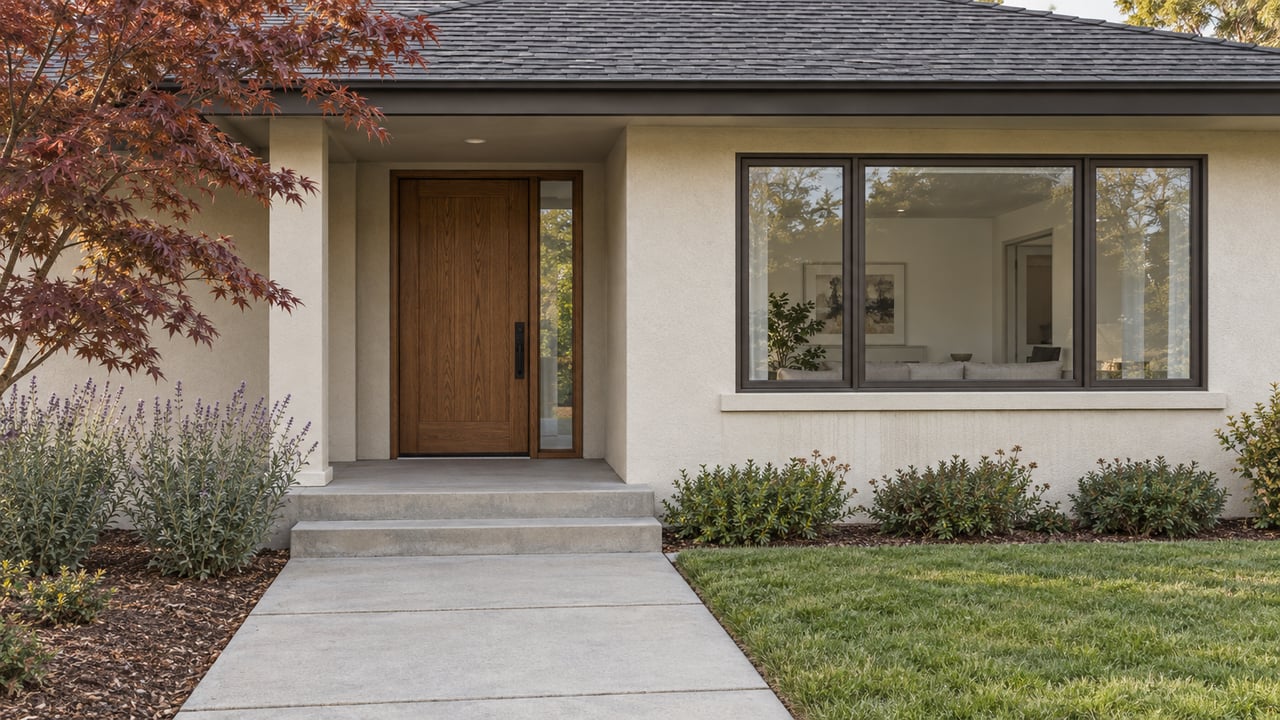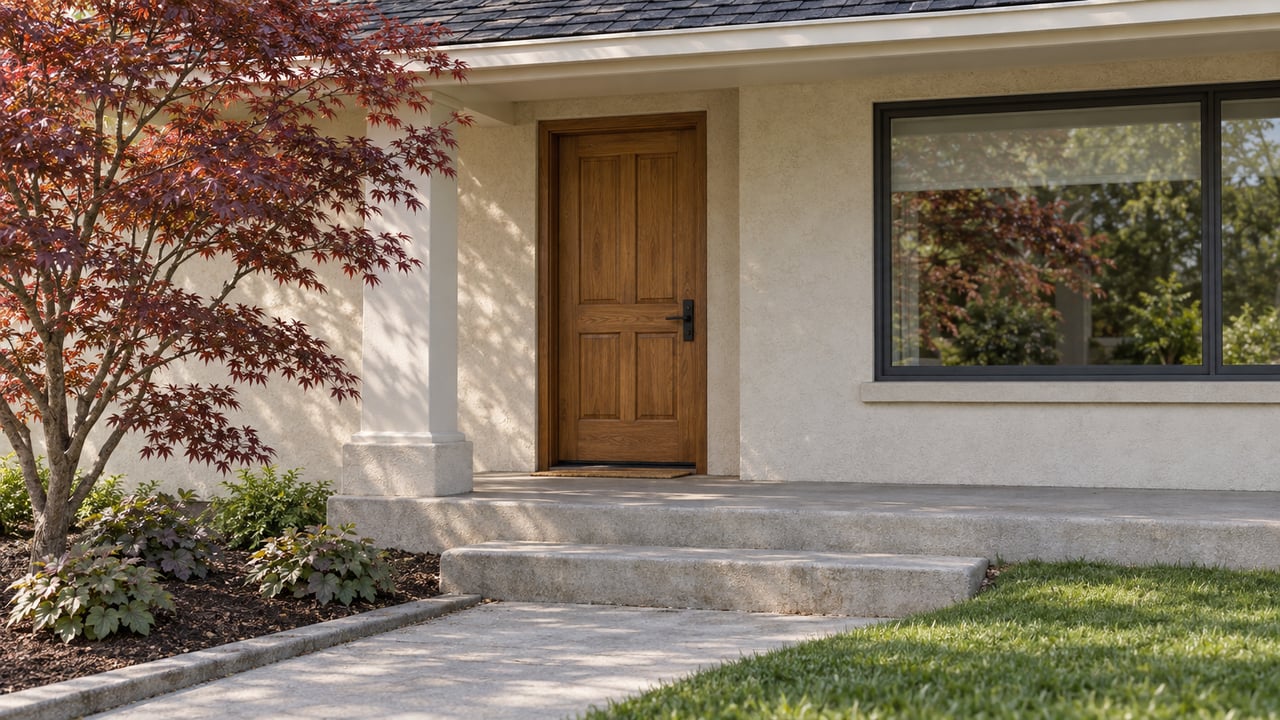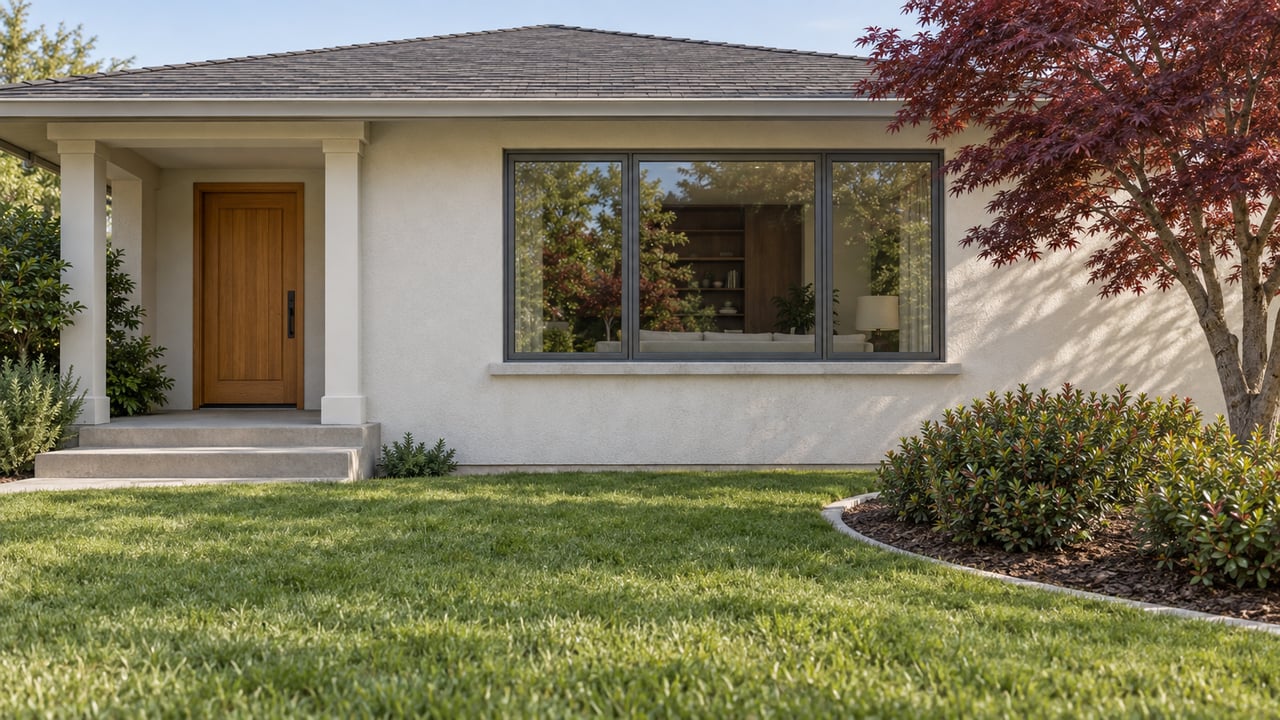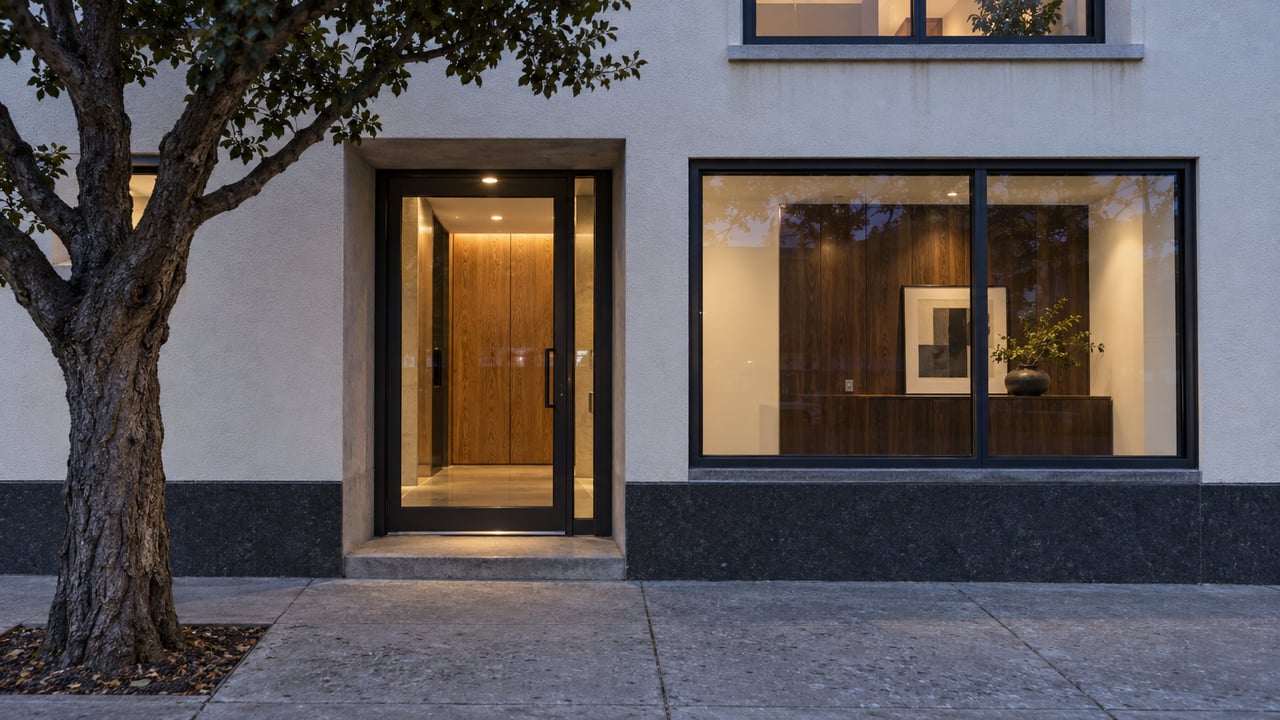
Thinking about selling your San Mateo home but not sure where to start? You are not alone. The Peninsula moves fast, and a clear plan can be the difference between a smooth, top‑line sale and a stressful one. In this guide, you will get a step‑by‑step plan tailored to San Mateo, including timelines, required disclosures, permit tips, pricing strategy, marketing, and closing costs. Let’s dive in.
Know the San Mateo market
As of February 2026, public market trackers show San Mateo as a high‑demand, high‑price market. Redfin reports a median sale price around $1.425 million with average market time near 13 days. Zillow’s broader Home Value Index shows typical values closer to the mid to high $1 million range. Differences come from methodology and neighborhood mix. Treat these as a snapshot, then get a local Comparative Market Analysis for your specific address before you set price.
Build your 3–12 month plan
9–12 months out
- Define your target listing window and move timeline. Spring often brings strong buyer activity in many markets.
- Map finances early. Ask your agent or escrow for a seller net sheet so you understand likely proceeds and costs.
- If you are considering a remodel or ADU work, review required City permits and plan‑check timing. The City of San Mateo outlines permit steps and inspections on its portal.
3–6 months out
- Order a pre‑listing home inspection and, if appropriate, a termite or wood‑destroying organism report. This is optional but can reduce late renegotiation if you disclose findings promptly. The California Department of Real Estate explains disclosure timing and buyer cancellation rights.
- If your home is in an HOA or condo, plan for the HOA resale packet. Many associations deliver required resale documents within about 10 days of request. Order early to avoid delays.
- Start decluttering and depersonalizing. Get bids for staging and professional photography. Industry surveys suggest staging often helps reduce time on market and can deliver modest price gains, with median costs commonly around $1,500.
4–6 weeks out
- Complete high‑impact, low‑cost updates: paint touch‑ups, minor repairs, deep cleaning, fresh landscaping, and curb appeal.
- Assemble your disclosure packet: receipts for improvements, permit records, appliance manuals, title documents, and draft disclosures. Your agent should coordinate the Transfer Disclosure Statement and the Natural Hazard Disclosure.
- Schedule professional photos and a 3D or video tour. Aim for good light and clean sightlines.
Listing week
- Launch on a Thursday to capture weekend traffic, if it fits your plan.
- Promote immediately with full MLS exposure, high‑quality media, and coordinated showings. Your first 5–10 days often set the tone for activity and offers.
Offer period and escrow
- Compare offers on total value and risk, not just price. Review contingencies, financing, proof of funds, earnest money, timeline, and occupancy requests.
- Once you accept, expect escrow to run about 30 to 45 days, depending on the contract and lender timeline.
Get your disclosures and permits right
In California, most sellers of 1 to 4 unit residential properties must complete a Transfer Disclosure Statement. Be accurate and timely. If you need to update a disclosure after delivery, that can restart the buyer’s right to cancel, so coordinate closely with your agent. For reference, see the Department of Real Estate’s guidance and the California Association of REALTORS standard TDS form.
Most residential sales also require a Natural Hazard Disclosure, which alerts buyers to items like wildfire, flood, or seismic zones. Sellers or their agents typically order a standardized NHD report early in the process.
If you have done work on the home, verify permits and final inspections with the City of San Mateo. Unpermitted work can trigger buyer requests for corrections or credits. If you plan to advertise an ADU, confirm permits, finals, and any required deed restrictions are on record.
For condos or homes in common‑interest communities, plan ahead for the HOA resale packet. These documents can affect the buyer’s review period and may delay closing if they arrive late.
- DRE disclosure guidance: see the state’s overview of seller obligations.
- Standard TDS template: view the industry form for context.
- NHD basics: view the California Natural Hazard Disclosure statement.
- City permits and inspections: review the City of San Mateo permit portal.
- HOA resale packets: learn typical delivery timelines and what to expect.
Price smart with local comps
On the Peninsula, pricing is hyper‑local. A well‑built Comparative Market Analysis looks at recent nearby sales, adjusts for condition and lot, and considers active competition. Citywide medians are helpful for context but not for pricing your specific home. Align your list price with your timing goals. If you are targeting a spring launch, start prep months in advance so you hit the strongest weeks with a clean, compelling presentation.
Prep that pays off
Focus first on items buyers notice most in photos and at showings.
- Declutter and deep clean. Clear surfaces, thin closets, and create simple, open sightlines.
- Paint touch‑ups in neutral tones and basic repairs like caulk, loose handles, and squeaky doors.
- Staging to highlight scale and flow. Industry summaries report median staging costs around $1,500, with benefits including shorter market time and potential price lift. Treat staging as a cost‑benefit decision, not a guarantee.
- Professional photography and a 3D or video tour to broaden online reach.
Marketing that reaches buyers
The core mix for San Mateo single‑family homes includes full MLS exposure, professional photography, a 3D or video tour, targeted online distribution, and coordinated showings and broker tours. Discuss whether off‑market testing makes sense. In most cases, full MLS exposure draws more buyer agents and can increase competition.
How to evaluate offers
Look beyond top‑line price. The California Residential Purchase Agreement defines common contingencies and how they are removed. Weigh the following:
- Financing: Cash reduces lender and appraisal risk. Conventional loans can be strong with solid underwriting. Government loans may involve additional steps.
- Contingencies: Inspection, appraisal, loan, and home‑sale contingencies change risk and timeline. Fewer and shorter contingencies typically reduce uncertainty.
- Earnest money: A higher deposit can signal commitment, especially once contingencies are removed.
- Timing: Closing date, request for rent‑back, and possession details matter if you need time to move.
- Documentation: Verified proof of funds or a lender pre‑approval adds confidence.
If an offer has an appraisal contingency and the property does not appraise at the contract price, you may need to renegotiate or the buyer may cancel if the contingency remains in place. Your agent will help you compare net proceeds and risk across offers.
Know your selling costs
Plan for both state and local costs at closing.
- Transfer taxes: San Mateo County charges documentary transfer tax at $0.55 per $500 of value, equivalent to $1.10 per $1,000, collected when the deed records. Properties inside the City of San Mateo also owe a city conveyance tax collected at recording. City rates can change, so ask your escrow officer for the exact amount.
- Commissions and fees: Total seller costs in California often fall in the single‑digit percentage range of your sale price. Commissions are negotiable, and statewide averages commonly fall in the mid‑5 percent range for combined listing and buyer agent sides. Add title, escrow, and prorations to your estimate for a total planning range around 6 to 10 percent. For context, see statewide commission data and general closing‑cost guidance.
Typical escrow timeline
Many California escrows close in about 30 to 45 days after you accept an offer. Your contract will set contingency periods and removal dates. Ask your agent and escrow officer for a preliminary calendar early so everyone has clear milestones.
Quick checklist you can use
9–12 months
- Choose target list month and move plan.
- Request a preliminary seller net sheet and build a budget.
- If renovating or finishing an ADU, confirm City permits and timing.
3–6 months
- Order a pre‑listing inspection and, if needed, a termite report. Decide what to fix versus disclose.
- If in an HOA, request the resale packet so it is ready during escrow.
- Declutter, depersonalize, get bids for staging and photos.
4–6 weeks
- Finish minor repairs, paint, deep clean, and curb appeal.
- Gather permits, receipts, manuals, title docs. Prepare TDS and NHD with your agent.
- Schedule pro photos and media.
Listing week
- Launch strategically, promote across channels, and schedule showings.
- Review interest and set your offer plan.
Offer to close
- Compare offers on total net and risk. Verify funds and pre‑approvals.
- Track contingencies and coordinate appraiser, lender, and inspections.
- Review final settlement statement for transfer taxes and fees.
Ready to build a tailored plan for your address, timing, and goals? Schedule your free Home Strategy Consultation with The Canlas Brothers and get a data‑driven pricing and marketing plan for your San Mateo sale.
FAQs
Who pays transfer tax in San Mateo County and city?
- The county documentary transfer tax is $1.10 per $1,000 of consideration and is collected at recording. Homes inside the City of San Mateo also owe a city conveyance tax collected at recording, with the exact city rate confirmed by your title or escrow officer.
Do I have to fix everything the inspector finds before I list?
- No. You can repair items, offer a credit, or leave issues for negotiation, but you must disclose known defects. Timely and accurate disclosures reduce legal and transactional risk.
How much does it cost to sell a San Mateo home?
- Plan for commissions as the largest line item, with statewide combined averages often in the mid‑5 percent range, plus title, escrow, prorations, and any county or city transfer taxes. Many sellers budget a total of 6 to 10 percent of the sale price.
What disclosures are required when I sell in California?
- Most 1 to 4 unit residential sales require a Transfer Disclosure Statement and a Natural Hazard Disclosure, plus any local or property‑specific addenda. Your agent will coordinate forms and timing.
What is the typical escrow length and what affects it?
- Many escrows close in about 30 to 45 days. Financing steps, appraisal, and contingencies drive the schedule, so contract terms and lender timelines matter.
Should I list with an agent or sell to a cash buyer?
- Full MLS exposure with an experienced local agent usually attracts more buyers and stronger offers, while cash offers trade convenience and speed for a lower net in many cases. Compare net proceeds before deciding.
References and helpful resources cited in this guide:
- California DRE disclosure guidance: Seller disclosure timing and duties
- CAR TDS form example: Transfer Disclosure Statement
- Natural Hazard Disclosure overview: California NHD statement
- City of San Mateo permits: Permits and inspections portal
- HOA resale packet info: Resale documents and timelines
- Staging data summary: NAR home staging survey highlights
- Transfer tax rules: San Mateo County Recorder FAQs
- Commission averages: California commission overview
- Closing cost guidance: California seller closing costs
- Contract terms reference: California Residential Purchase Agreement